Soft Landscaping in Victoria
If you are looking for soft landscaping in Victoria, you are probably planning more than a quick tidy-up. You may want a garden that feels finished, a front yard that adds street appeal, a commercial outdoor area that looks cared for, or a low-maintenance space that suits the Victorian climate and your lifestyle. Soft landscaping is the part of landscaping that brings life, colour, texture, and practicality to a property. It includes lawns, planting, garden beds, mulch, soil improvement, edging, and many of the finishing touches that make an outdoor area feel complete.
In Victoria, soft landscaping needs to suit a wide variety of conditions. Coastal winds, clay soils, dry summers, shaded courtyards, and narrow side access are all common challenges. That is why local experience matters. A property in inner Melbourne, a family home in Geelong, a townhouse in Ballarat, or a retail site in Bendigo may all need a different approach. A local team understands how to work around access limitations, how to choose plants that suit local weather patterns, and how to build outdoor spaces that stay attractive beyond the first season.
Whether you are renovating a backyard, preparing a property for sale, upgrading a commercial frontage, or refreshing a new build, soft landscaping can transform the way your outdoor area looks and functions. It is not just about making things look neat; it is about setting up the right base so the garden can thrive with reasonable maintenance and sensible water use.
What soft landscaping includes
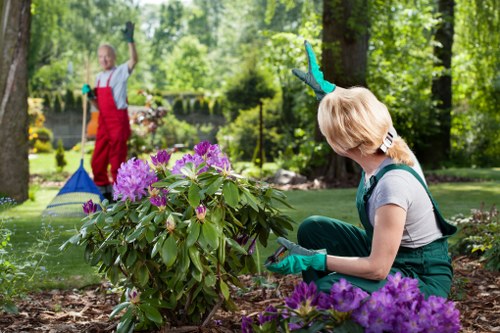
Soft landscaping refers to the living and organic parts of an outdoor design. It is the contrast to hard landscaping, which covers paving, retaining walls, paths, and other structural features. In practice, many properties need both. The hard surfaces create the framework, while the soft elements create comfort, softness, and seasonal interest.
For homeowners and business owners in Victoria, soft landscaping services may include planting, turf installation, garden bed preparation, soil conditioning, mulch application, decorative ground covers, edging, and ongoing replanting. A well-planned soft landscape can improve drainage, reduce maintenance, support privacy, and create a much more inviting exterior.
Common soft landscaping services include:
- Garden bed design and installation
- Plant selection and planting
- Turf supply and installation
- Soil improvement and top dressing
- Mulching and bark spreading
- Edging and garden bed definition
- Replacement planting for tired or damaged areas
- Low-maintenance planting solutions
- Preparation for new builds and renovated yards
Why soft landscaping matters for Victorian properties
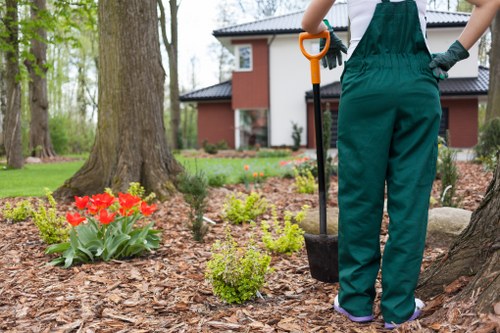
Many Victorian properties benefit from a thoughtful soft landscaping plan because the outdoor environment can be very different from one suburb to the next. Inner-city homes often have compact courtyards, limited sunlight, and tight access through side passages or laneways. Suburban properties may have larger lawns, family-friendly gardens, and areas that need durable planting. Coastal and regional properties may face wind exposure, drought stress, or soil that needs extra care before planting begins.
Soft landscaping matters because it helps a property look established, not just newly built. It can soften the hard lines of driveways, fences, and walls. It can create separation between living zones, improve privacy from neighbours, and make outdoor areas more usable for entertaining or everyday family life. For commercial sites, it can help present a professional image from the moment people arrive.
Another major benefit is that the right planting and soil preparation can reduce future problems. Poorly chosen plants, thin soil, or rushed turf installation often lead to patchiness, weeds, and constant maintenance. By starting with sensible plant selection and proper preparation, you can achieve a better result that holds up through Victoria’s seasonal changes. That is especially important if you want long-term value rather than a short-lived makeover.
Soft landscaping for homes, units, and commercial spaces

Soft landscaping in Victoria is not limited to large family gardens. It is equally relevant for townhouses, apartment courtyards, investment properties, shopfronts, offices, schools, hospitality venues, and strata-managed common areas. Each property type has different needs, but the goal is the same: create an outdoor space that looks good, functions well, and is appropriate for the amount of use it receives.
Residential customers often want a practical garden that is easy to manage but still attractive. This could mean adding hardy plants, defining clean bed lines, replacing patchy lawn, or improving the front garden for a more welcoming entrance. Commercial customers may need tidy, consistent planting that supports brand presentation and stays manageable with routine care. A local team can adapt to both, while also considering council expectations, tenant use, and the practicalities of access and maintenance.
For rental properties and developments, soft landscaping can make a real difference to how a site is perceived. A neat lawn, fresh mulch, healthy screening plants, and defined garden edges can make the property feel complete. That first impression often matters more than people realise, especially when a space is being prepared for open inspections, lease handover, or new occupants.
How the service usually works
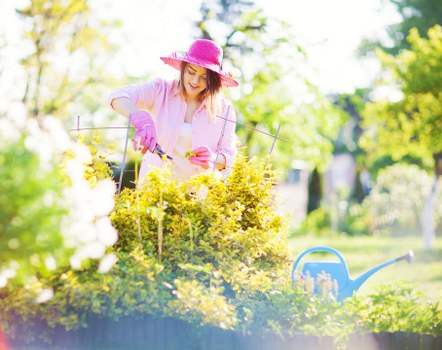
Every soft landscaping project starts with an assessment of the site. The team looks at sun exposure, drainage, soil quality, access, existing plants, irrigation needs, and how the space is meant to be used. In Victoria, these details matter because the same plants and materials will not suit every location. A shaded north-facing courtyard in Melbourne will need a different approach from a windy front verge in Warrnambool or a large backyard in the outer suburbs.
After the site assessment, the next step is planning. This may include removing failed planting, preparing the soil, defining beds, choosing plants, and deciding where turf or mulch will go. If the project includes a mix of planting and lawn, the layout should make maintenance practical. For example, it is often better to create clear borders and accessible edges so mowing, watering, and pruning remain manageable.
Installation can then be carried out in a logical sequence: ground preparation, soil conditioning, bed formation, planting, turf laying, mulching, and finishing details. Good preparation is the difference between a garden that settles in properly and one that struggles from day one. Once the installation is complete, many property owners also choose to discuss aftercare, watering habits, and seasonal maintenance so the garden establishes well.
Typical stages may include:
- Initial site discussion and inspection
- Review of the property’s use, access, and conditions
- Plant and material selection
- Ground preparation and soil improvement
- Installation of plants, turf, mulch, or other soft elements
- Final tidy-up and practical care advice
Plant selection for Victorian conditions
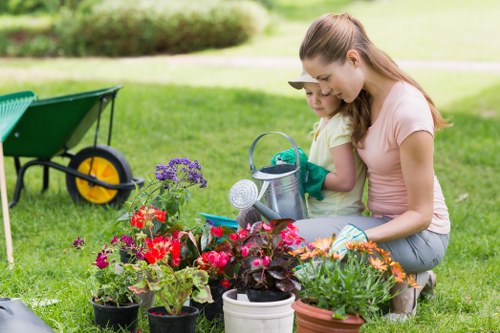
Plant selection is one of the most important parts of soft landscaping in Victoria. The right plants will suit the local climate, the amount of sun the site receives, the available water, and the level of maintenance the owner is comfortable with. A local landscaper is more likely to recommend species that cope with heat, wind, cold snaps, and varying rainfall patterns common across the state.
There is no single planting formula that works everywhere. A low-maintenance native planting scheme may be ideal for one property, while another may suit structured feature plants, seasonal colour, or a softer cottage-style look. In many cases, the best outcome comes from mixing plant types to create balance: screening plants for privacy, ground covers for coverage, feature shrubs for interest, and hardy border plants for definition.
Popular considerations when choosing plants include:
- Sun and shade levels
- Soil type and drainage
- Watering needs
- Seasonal colour or evergreen coverage
- Height, spread, and future growth
- Maintenance requirements
- Impact on privacy, shade, and screening
Where appropriate, native and drought-tolerant planting can help reduce water use and create a garden that feels at home in the Victorian landscape. At the same time, ornamental planting can be used where a more formal or decorative finish is desired. The key is choosing plants that suit the site rather than forcing a style that is difficult to maintain.
Turf, lawns, and green open spaces
Lawns remain one of the most requested parts of soft landscaping because they provide usable open space, a soft visual break, and a polished finish. For homes with children or pets, a new lawn can make the backyard much more functional. For commercial properties, a healthy lawn or verge area can make a frontage look fresh and cared for. In both cases, the success of the lawn depends on site preparation just as much as the turf itself.
Victorian conditions can be demanding for turf if the soil is compacted, poorly drained, or exposed to extreme sun. That is why quality ground preparation is essential. It may involve loosening compacted soil, improving levels, adding topsoil, and ensuring the area drains properly. Without this step, new turf may struggle to root or may develop dry patches and uneven growth.
There are also practical considerations for site access. In tight inner-suburban spaces, turf rolls, soil deliveries, and barrow access may be limited by narrow side entries or stair access. On larger sites, the challenge may be covering a broader area efficiently while keeping the finish even. A local team that works across Victoria will understand how to plan for these conditions and avoid unnecessary disruption.
Benefits of professional turf installation
- Cleaner, more even surface finish
- Better soil preparation before laying
- Improved establishment and root development
- More practical layout for mowing and watering
- Reduced patchiness from poor base conditions
Garden beds, mulch, and finishing details
Garden beds are often where a property starts to feel complete. They frame lawns, soften fences and walls, and allow planting to become part of the overall design rather than an afterthought. When beds are shaped properly and filled with healthy soil, they give plants the best chance to establish. Mulch then helps lock in moisture, suppress weeds, and give the garden a neat final appearance.
In Victoria, mulch can be especially helpful during warmer periods when gardens may dry out quickly. It also helps protect root zones and makes the landscape look more unified. The choice of mulch or ground cover should suit the design of the property, the plantings, and the amount of maintenance expected. A tidy front garden may benefit from a more refined finish, while a larger back garden may call for a practical, durable option.
Finishing touches matter because they affect both appearance and use. Clean edging helps define spaces and makes maintenance easier. A well-placed planting layout can improve movement through the yard and provide a sense of balance. These details may seem small, but together they create a better result than a rushed install that only looks good from a distance.
Popular finishing elements include:
- Organic or decorative mulch
- Border edging
- Feature plants and shrubs
- Ground covers for weed suppression
- Soil blending and top dressing
Preparation checklist before the work begins
If you are planning soft landscaping in Victoria, a little preparation can make the process smoother and help the project run efficiently. You do not need to do everything yourself, but it helps to be clear about the outcome you want and any limitations on the property. For example, access through side gates, parking restrictions, shared driveways, pets, irrigation equipment, and underground services can all affect how the work is carried out.
It also helps to think about how the space will be used after the work is done. Do you want a low-maintenance garden? A family-friendly lawn? More privacy from neighbours? Space for entertaining? A neat commercial frontage that stays presentable? The more clearly the goal is understood, the easier it is to recommend the right planting and layout.
Useful preparation checklist:
- Clear access points where possible
- Remove personal items from work areas
- Check for pets that may need to be kept inside
- Identify watering points or existing irrigation
- Think about your preferred maintenance level
- Flag any drainage concerns or problem areas
- Tell the team about limited parking, laneway access, or steep driveways
In many parts of Victoria, access is one of the biggest practical issues. Inner-city blocks, unit complexes, and tightly packed suburban streets can make deliveries and material handling more complicated. A local service provider will usually know how to plan around these issues and keep the project moving safely.
What affects pricing for soft landscaping?
Customers often ask what influences the cost of soft landscaping, and the answer depends on several site-specific factors. Because every garden and property is different, pricing is usually based on the size of the area, the amount of preparation required, the materials selected, and how straightforward the site is to access. A simple planting refresh will naturally involve different labour and materials than a full garden transformation.
Some jobs require removal of old plants, weeds, damaged turf, or poor soil before anything new can go in. Others need drainage correction, edging, or extra soil to bring levels into line. Plant size also matters, as larger feature plants or more mature screening species may require more handling and planting effort. On commercial sites, timing and access can also influence the scope of work, especially if the area must remain usable during business hours.
Common pricing factors include:
- Site size and complexity
- Soil condition and preparation needs
- Type and number of plants
- Turf area and installation requirements
- Mulch, edging, and finishing materials
- Access for equipment and materials
- Removal of existing vegetation or debris
- Any additional drainage or levelling work
Requesting a quote is the best way to understand what is involved for your property. A proper assessment will help identify what is needed and avoid surprises later. Contact us today to request a free quote and discuss the best approach for your outdoor space.
Why choose a local Victoria soft landscaping team?
There is real value in working with a local team for soft landscaping in Victoria because local knowledge changes the outcome. A team that regularly works across Melbourne, the Bayside suburbs, Geelong, Ballarat, Bendigo, the Mornington Peninsula, and surrounding areas will already understand common property types, local soil conditions, and the realities of seasonal weather. That experience helps with plant selection, scheduling, and practical installation choices.
Local service is also useful when your site has access limitations. Many Victorian properties have narrow driveways, side paths, shared parking, steep entries, or restricted loading zones. Commercial sites may have delivery windows, tenant access needs, or safety rules that affect when and how work can happen. A local landscaper is more likely to plan around these details from the start rather than treating them as an afterthought.
Reasons local customers choose a Victorian team:
- Better understanding of regional weather and soil conditions
- Practical experience with different property layouts
- More suitable plant and turf recommendations
- Awareness of access and parking limitations
- Ability to service homes, strata, and businesses
- More tailored solutions for both small and large sites
Choosing local also makes it easier to arrange a site visit, discuss options in person, and keep the project aligned with the realities of your property. If you want a finish that feels considered rather than generic, local knowledge can make a noticeable difference.
Areas covered across Victoria
Soft landscaping services are commonly requested across metropolitan, suburban, coastal, and regional parts of Victoria. Different areas have different conditions, but all can benefit from carefully planned garden work. Inner Melbourne properties may need compact solutions for courtyards and townhouses. Outer suburban homes may want family-friendly backyards with lawns and planting. Coastal towns may need hardy species that stand up to wind and salt exposure. Regional sites may need lower-maintenance planting and practical layouts that cope with changing weather.
Areas commonly covered may include:
- Melbourne and surrounding suburbs
- Geelong and the Bellarine region
- Ballarat
- Bendigo
- Mornington Peninsula
- Outer western, northern, and southeastern suburbs
- Regional Victorian towns and growth corridors
If you are unsure whether your location can be serviced, it is worth asking when you request a quote. The main thing is matching the job with a team that understands your area’s property style and conditions. That local fit can save time, reduce rework, and lead to a better result overall.
Frequently asked questions
What is the difference between soft landscaping and hard landscaping?
Soft landscaping covers the living and organic parts of a garden, such as plants, lawns, mulch, and soil. Hard landscaping covers built features like paving, retaining walls, paths, and structural edging. Many projects need both to create a balanced outdoor space.
Can soft landscaping be done on small properties?
Yes. Small courtyards, unit gardens, townhouse frontages, and narrow side spaces can all benefit from thoughtful planting and layout. In smaller spaces, plant choice and access planning are especially important.
How do I know which plants will suit my property?
A site assessment is usually the best starting point. Sun exposure, drainage, soil type, and your maintenance preferences all affect what will work. Local knowledge is useful because Victoria has a wide range of conditions across different areas.
Do I need to prepare anything before the work starts?
Usually just basic access and a clear idea of your goals. It helps to move personal items, keep pets safe, and mention any access or parking restrictions. If there are drainage issues, awkward entries, or shared spaces, let the team know early.
Can soft landscaping help with low-maintenance gardening?
Yes. Using the right mix of hardy plants, mulch, clear edging, and practical lawn areas can reduce ongoing maintenance. A good design should suit how much time you want to spend looking after the space.
Is soft landscaping suitable for businesses and strata properties?
Absolutely. Commercial frontages, office courtyards, retail sites, and common areas can all benefit from tidy, durable planting and well-finished outdoor spaces that support presentation and usability.
Ready to improve your outdoor space?
Whether you are starting from scratch, refreshing a tired garden, or finishing off a newly built property, soft landscaping can make a major difference to how your site looks and feels. With the right planning, planting, and preparation, you can create an outdoor area that suits the Victorian climate, the way your property is used, and the amount of care you want to give it over time.
From homes and townhouses to commercial sites and shared spaces, a local team can help turn an ordinary outdoor area into something more inviting and practical. If you are comparing options, look for a provider that understands local conditions, communicates clearly, and can tailor the work to your property rather than offering a one-size-fits-all solution.
Book your service now or request a free quote if you are ready to discuss your soft landscaping project in Victoria. A well-planned approach today can save effort later and leave you with a garden or outdoor area you will be glad to see every day.