Garden landscaping in Victoria: practical outdoor spaces for local homes and businesses
Victoria’s gardens have a character all their own. From compact city courtyards and townhouse frontages to family backyards, corner blocks, and commercial outdoor areas, local properties often need landscaping that balances style, durability, and everyday usability. Garden landscaping in Victoria is not just about making a space look good for a weekend; it is about creating an outdoor area that suits the way you live, the way your property is built, and the local conditions that shape how gardens grow and perform over time.
Whether you are starting with a blank slate, refreshing an overgrown yard, or improving kerb appeal for a property you manage, the right landscape design can make a noticeable difference. A well-planned garden can improve flow, create useful zones, support privacy, reduce maintenance, and help your outdoor areas feel connected to the home or business they serve. For many local customers, the goal is simple: build a landscape that looks inviting, works in real weather, and is practical to maintain.
Local landscaping needs to take into account Victoria’s variable climate, soil conditions, narrow access in some suburbs, sloping blocks, and the reality of parking or equipment access on busy streets. That is why choosing a local team for garden landscaping in Victoria can be so valuable. A local crew understands the properties, the pace of the seasons, and the kinds of materials and plant choices that tend to work well in the area.
Why local garden landscaping matters in Victoria
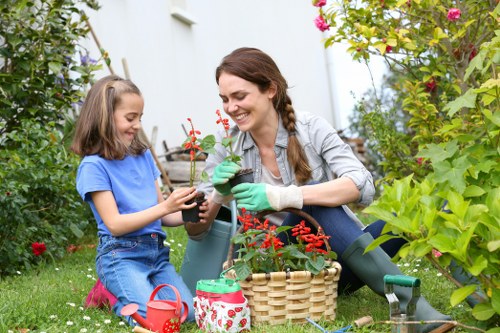
Every garden site comes with its own set of conditions. In Victoria, those conditions can change significantly from one suburb to the next, and the difference matters when planning a landscape that will last. A backyard in an established inner-area property may have limited access, mature trees, and tight boundaries, while a newer estate may have open space that needs structure, screening, and better planting layers. Commercial sites often need a hard-wearing, tidy finish that holds up under regular use and presents well to customers, staff, or tenants.
Working with a local landscaping team means you are more likely to get practical advice that fits the property rather than a one-size-fits-all approach. You can factor in drainage, sun exposure, soil improvement, wind exposure, and the way the space is actually used. A strong local landscaper will also understand the realities of city parking, shared driveways, narrow side access, and the need to keep disruption manageable for neighbours, businesses, and household routines.
For many people, a landscape project is not just a beautification job. It is a way to solve everyday problems. Maybe the lawn is patchy and difficult to keep alive. Maybe the backyard has poor flow and no clear entertaining zone. Maybe the front garden is tired and does not reflect the quality of the home. Or perhaps the commercial frontage needs better presentation without creating extra maintenance. These are the kinds of issues that Victoria garden landscaping projects can address in a practical, durable way.
What garden landscaping can include

Garden landscaping can cover a wide range of services depending on the property, the existing layout, and your goals for the space. Some customers want a full transformation, while others need targeted improvements that make a big difference without changing everything at once. A well-planned service can combine soft landscaping and hard landscaping so the whole garden feels cohesive and usable.
Common elements may include plant selection and planting, lawn installation, mulching, edging, paving, retaining walls, garden beds, screening, drainage improvements, outdoor paths, and feature areas such as seating spaces or focal planting. It can also include practical elements that are easy to overlook, like access paths for bins, low-maintenance borders, and appropriate spacing between plants and structures.
For local homes, the best landscape designs often focus on balancing appearance with upkeep. Many homeowners want a garden that feels lush and welcoming, but not one that demands constant attention. That might mean selecting hardy plants suited to the local environment, designing zones that are easy to water and maintain, or choosing surfaces and materials that suit everyday family use. For commercial properties, the same principles apply, with added emphasis on durability, safety, and a polished finish.
Popular services for Victorian properties
Different properties need different solutions, but the following services are often part of a successful landscaping project:
- Garden design and reconfiguration for better layout and flow
- Planting plans suited to local conditions and seasonal changes
- Lawn installation, replacement, or rejuvenation
- Mulching, soil conditioning, and garden bed preparation
- Retaining walls and edging to define levels and borders
- Paving, stepping stones, and practical access routes
- Drainage improvements for water management
- Privacy screening with plants, fences, or layered planting
Garden landscaping for homes, units, and commercial sites

One of the strengths of garden landscaping in Victoria is its flexibility. A good local team can work across different property types and scale the work to suit the site. A small courtyard in an apartment or townhouse development may need clever space-saving features, raised planting, and low-maintenance greenery. A family home may need a stronger mix of lawns, play space, seating, and planting. A commercial property might need durable surfaces, neat edges, and plant choices that keep looking good with minimal disruption.
Residential customers often want their outdoor areas to become extensions of the home. That could mean creating a garden that works for entertaining, a safe and attractive front yard, a child-friendly lawn area, or a backyard that finally feels finished. In many cases, customers also want improved privacy from neighbouring properties and a clearer sense of zones for dining, relaxing, and gardening.
For commercial customers, outdoor presentation matters too. Landscaped entrances, tidy garden beds, and well-maintained greenery can create a better first impression for clients, tenants, and staff. Landscapes around offices, retail spaces, hospitality venues, and strata-managed properties often need to be neat, consistent, and easy to maintain, with careful planning around foot traffic, access, and long-term upkeep.
Property types commonly serviced
Local landscaping teams often work on:
- Detached homes and family backyards
- Townhouses and compact urban lots
- Courtyards and side gardens
- Investment properties and rental homes
- Strata and shared outdoor spaces
- Retail, office, hospitality, and light commercial sites
Designing for Victoria’s climate and conditions

Landscape success depends on more than looks. In Victoria, gardens need to be designed with local climate patterns in mind so they stay healthy and functional throughout the year. That means considering hot, dry periods, wet spells, seasonal shifts, and microclimates created by buildings, fences, walls, and trees. Plants that suit a sheltered inner-yard setting may not suit an exposed site with stronger wind or more intense sun.
Soil conditions also matter. Some areas have heavy clay soils that can hold water and affect drainage, while others may drain too quickly and need better soil preparation. A thoughtful landscaping plan can improve these issues before planting begins. Drainage, soil structure, mulch choice, and plant placement all help the garden perform better and reduce common problems like root stress, waterlogging, or patchy growth.
Useful local landscaping decisions often include grouping plants by water needs, using mulch to support moisture retention, choosing hard-wearing paving or edging materials, and creating shaded or sheltered zones where needed. These practical steps can make a big difference to how a garden looks after the first season and how much effort it takes to keep it looking tidy in the years that follow.
Seasonal considerations local customers should know
When planning landscaping in Victoria, it helps to think beyond the day of installation:
- Spring: a good time for planting, lawn repair, and refreshing beds
- Summer: shade, irrigation, and moisture retention become more important
- Autumn: ideal for restructuring, planting, and soil improvement
- Winter: drainage, plant protection, and preparation for the next growth cycle matter most
What is included in a typical landscaping project
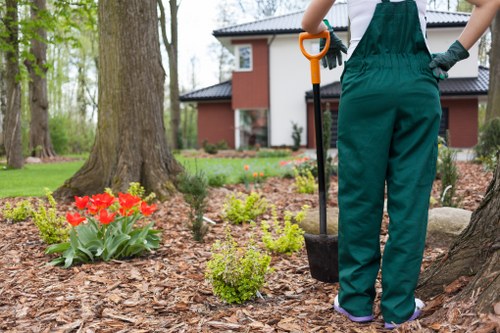
Because each property is different, the exact scope of work will vary. That said, many customers want to know what is usually included when they enquire about garden landscaping in Victoria. A good service should begin with a discussion about your goals, your budget range, the style you prefer, and the practical issues affecting the site. From there, the work is usually planned in stages so the result is coordinated and realistic.
A standard project may involve site preparation, removal of unwanted vegetation or old materials, soil improvement, shaping of beds and boundaries, installation of features such as paving or edging, planting, and final clean-up. In some cases, projects may also include drainage solutions, minor earthworks, lawn laying, or the creation of functional outdoor zones. For bigger properties, the work may be phased so the most urgent areas are addressed first.
It is also common for local customers to request advice about ongoing care. A well-finished landscape should be easy to manage, and the handover should leave you with a clear sense of how to look after what has been installed. That may include watering needs, pruning schedules, and practical tips for maintaining the shape and health of the garden without adding unnecessary workload.
Typical project stages
- Initial site discussion and assessment
- Understanding the property layout, access, and priorities
- Planning materials, planting, and construction elements
- Preparing the site and carrying out the landscaping works
- Final tidy-up and practical care advice
How the service works from enquiry to completion
For many customers, the process is just as important as the finished result. A reliable landscaping experience should feel organised, clear, and easy to follow. If you are considering a new garden layout or a landscaping upgrade, it helps to know what to expect before the work begins.
The first step is usually a conversation about the space and your ideas. You might want a garden that feels modern and clean, a soft and natural look, a family-friendly backyard, or a more polished frontage for your property. A local landscaper can then assess the site, note access limitations, and help you decide what is achievable now and what could be staged later. This is especially useful on properties with narrow driveways, shared access, steep sections, or limited parking for equipment.
After the site has been reviewed, the project can be planned around materials, timeframes, and sequencing. This stage is important because good landscaping work depends on the order of tasks. For example, drainage and levels may need to be addressed before paving or planting. Heavy work may need to happen before delicate finishing touches. For homeowners and business owners alike, a clear plan helps reduce disruptions and keeps the job moving logically.
Good communication points during the project
- What areas are being changed and what will remain
- How access will be managed for trades, residents, or customers
- What materials are being used and why
- Which stages may create temporary disruption
- What care is needed after completion
Preparation checklist for homeowners and businesses
Preparing the property properly can save time and avoid unnecessary delays. It also helps the landscaping team work safely and efficiently, especially in built-up areas where access is limited and parking can be tight. A little preparation goes a long way, whether the property is a small residential garden or a larger commercial frontage.
If you are getting ready for a landscaping project, consider the following checklist. Not every item will apply to every job, but these steps can help make the process smoother and more predictable. They also make it easier to discuss your priorities clearly with the team before work begins.
Preparation checklist:
- Clear personal items, outdoor furniture, and movable décor from the work zone
- Identify any existing plants, structures, or features you want to keep
- Confirm access points, gates, and any parking or loading restrictions
- Note irrigation lines, buried services, or sensitive areas if known
- Discuss preferred styles, colours, and low-maintenance options
- Let the team know about pets, tenants, or operating hours if relevant
For occupied homes and active businesses
If people will be using the property during the works, it helps to plan around that from the beginning. Homes with children or pets may need temporary barriers or safe access paths. Businesses may need staged works, quiet periods, or minimal impact around peak trading times. A local team familiar with Victoria properties will often have practical ways to manage these situations without making the job more complicated than it needs to be.
What affects the price of landscaping work
Customers often ask what influences the cost of a garden landscaping project. While exact pricing depends on the site and scope, there are several common factors that shape the overall quote. Understanding these can help you plan realistically and compare project options in a sensible way.
The size of the area is one major factor, but it is not the only one. Access can have a big impact, especially where materials need to be carried through narrow side passages, down steps, or across shared spaces. Site preparation also matters: removing old garden structures, dealing with poor soil, or correcting levels can add time and labour. The type of finish you want also affects the project, as some materials and features require more work than others.
Other pricing factors can include the amount of planting, the scale of hardscaping, the need for drainage, and whether the project is one-off or staged. Commercial landscapes may also involve scheduling around operating hours or adding extra care for safety and access. The best approach is to request a quote based on your actual property, because two similar-looking gardens can have very different requirements beneath the surface.
Common cost factors
- Site size and project complexity
- Access, parking, and equipment movement
- Preparation and removal work needed
- Choice of materials, plants, and finishes
- Drainage, levels, and structural considerations
- Whether the job is residential, strata, or commercial
Why choose a local company for garden landscaping in Victoria
There are real advantages to working with a local company instead of someone unfamiliar with the area. Local landscapers understand how Victoria’s conditions affect plant selection, site preparation, and long-term garden performance. They are more likely to be familiar with the challenges of inner-city blocks, suburban family homes, shared driveways, and commercial sites that need neat, dependable presentation.
Local knowledge also helps with practical scheduling and logistics. Access and parking can be difficult on some streets, and that affects how materials are delivered, where equipment can be set up, and how the work is coordinated. A local team understands these realities and can plan around them in a way that saves stress for the property owner. That is especially useful if the garden is part of an occupied home, a tenant-occupied property, or an operating business.
Another reason to choose local support is accountability. A team that works in the area is better placed to provide service that fits the community’s expectations and property styles. They know that Victorian clients often want landscapes that are attractive but practical, with sensible maintenance demands and finishes that suit real life rather than a picture-perfect display that does not hold up. Victoria garden landscaping should feel tailored, not generic.
Benefits of a local landscaping team
- Better understanding of local climate and soil conditions
- More practical advice for site access and logistics
- Solutions that suit nearby housing styles and commercial properties
- Less disruption through smarter planning
- Design choices that suit long-term maintenance needs
Areas covered across Victoria
Garden landscaping services can be tailored for a wide range of suburbs and property types across Victoria. Customers often need help in inner residential areas, growing family suburbs, and commercial precincts where outdoor presentation is part of the property’s overall value. Nearby streets and local access conditions can affect how a job is planned, so it is useful to work with a team that regularly services different parts of the region.
Areas commonly covered may include central city locations, inner suburbs, middle-ring suburbs, and surrounding residential communities, along with commercial and strata sites spread across the broader local area. If your property has particular access requirements, such as shared laneways, limited on-street parking, loading zones, or narrow side entries, a local landscaper can usually advise on the most practical way to proceed.
Many customers also need a service that can handle both front and back garden work, small courtyard projects, and larger outdoor upgrades without treating each site the same. That is where local experience matters: it helps shape a result that fits the block, the street, and the way you use the property every day.
Examples of property settings often serviced
- Inner-city terraces and compact courtyards
- Family homes with larger backyard areas
- Townhouse developments and shared entry spaces
- Retail and hospitality frontages
- Office surrounds and strata-managed gardens
Frequently asked questions
Below are some of the questions local customers often ask when they are planning garden landscaping in Victoria. These answers are designed to help you think through the process before you enquire or book.
How long does a landscaping project take?
The timeframe depends on the scope of work, the size of the area, site access, and whether any preparation or drainage work is needed first. Smaller projects may move quickly, while larger or more detailed jobs may be completed in stages.
Can you work on small gardens or courtyards?
Yes. Small spaces often benefit the most from thoughtful planning because every square metre needs to work hard. Courtyards, side yards, and townhouse gardens can be transformed with the right layout, planting, and materials.
Do I need to have a design ready before I enquire?
No. You can contact a landscaping team with a rough idea, a wish list, or even a problem area you want improved. The site assessment and discussion can help shape the right approach.
What if my garden has poor access?
Limited access is common in many Victorian properties. A local landscaper can plan for narrow entries, steps, side paths, and parking restrictions so the project can still be completed efficiently.
Can landscaping help reduce maintenance?
Yes. Choosing the right plants, defining borders properly, improving soil, and using practical materials can all make a garden easier to care for over time.
Is landscaping suitable for rental or investment properties?
Absolutely. A neat, durable garden can improve presentation and help make the property more appealing to tenants and visitors while keeping upkeep manageable.
Ready to improve your outdoor space?
If your garden feels unfinished, difficult to maintain, or no longer suits the way you use your property, now is a good time to take the next step. A well-planned landscape can improve everyday living, create a more attractive frontage, and make better use of your outdoor areas. Whether you need help with a private backyard, a courtyard, or a commercial frontage, garden landscaping in Victoria can be tailored to your site and your goals.
From layout changes and planting to paving, retaining, drainage, and low-maintenance improvements, the right service can turn a difficult space into one that feels purposeful and welcoming. If you want a local team that understands Victorian properties and the practical issues that come with them, contact us today to discuss your project.
Request a free quote or book your service now to get your landscaping project moving. A clear conversation at the start makes it easier to plan the right solution, choose the right materials, and create a garden that suits your property for years to come.